

We just saved residents 20,000 hours—thanks to adaptive traffic signals
Topics
Apr 21, 2026
Most drivers know what it’s like to sit at an intersection with no other cars in sight. That happens because traditional traffic signals operate on fixed timing, regardless of real‑time road conditions.
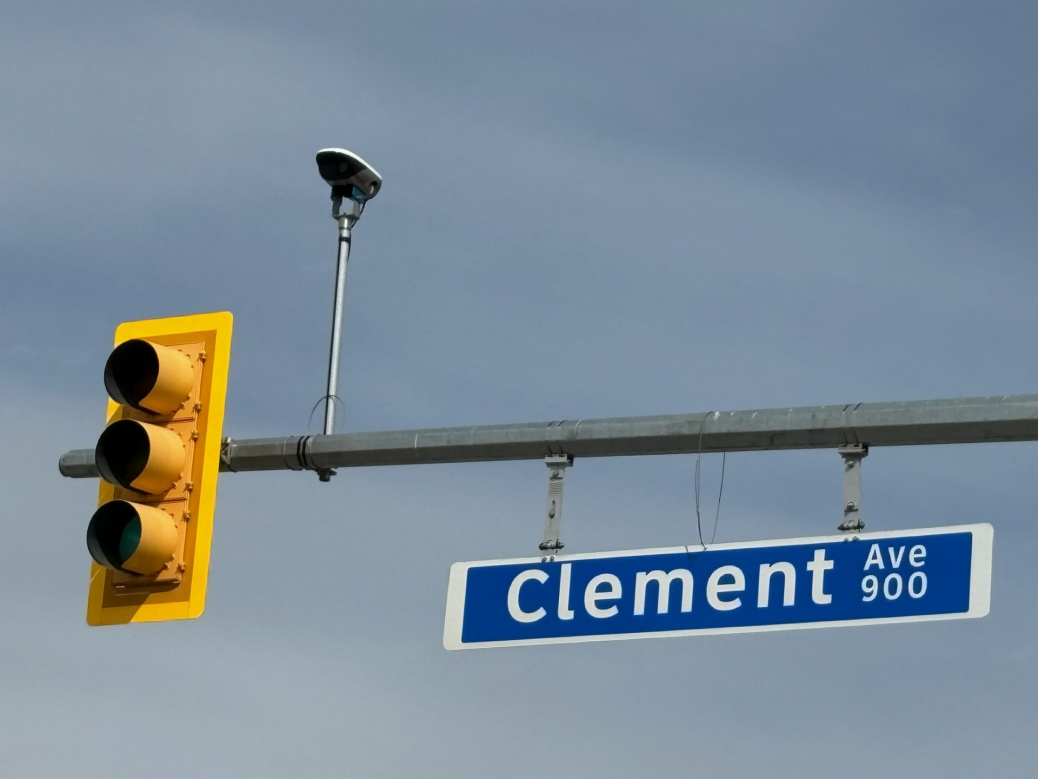
Adaptive traffic signals are changing how traffic moves throughout the city. They scan intersections and adjust signal timing based on real-time traffic conditions, resulting in smoother traffic flow, shorter waits at intersections, and less unnecessary idling.
Transportation is a Council Priority, and projects like the adaptive traffic signal program play an important role in improving how traffic moves throughout the city.
“It’s about making better use of the transportation infrastructure we already have to reduce the time people spend waiting at intersections,” said Geert Bos, Infrastructure Operations Department Manager. “Adaptive signals scan the intersection and adjust timing in real time, within pre‑set parameters created by transportation engineers.”
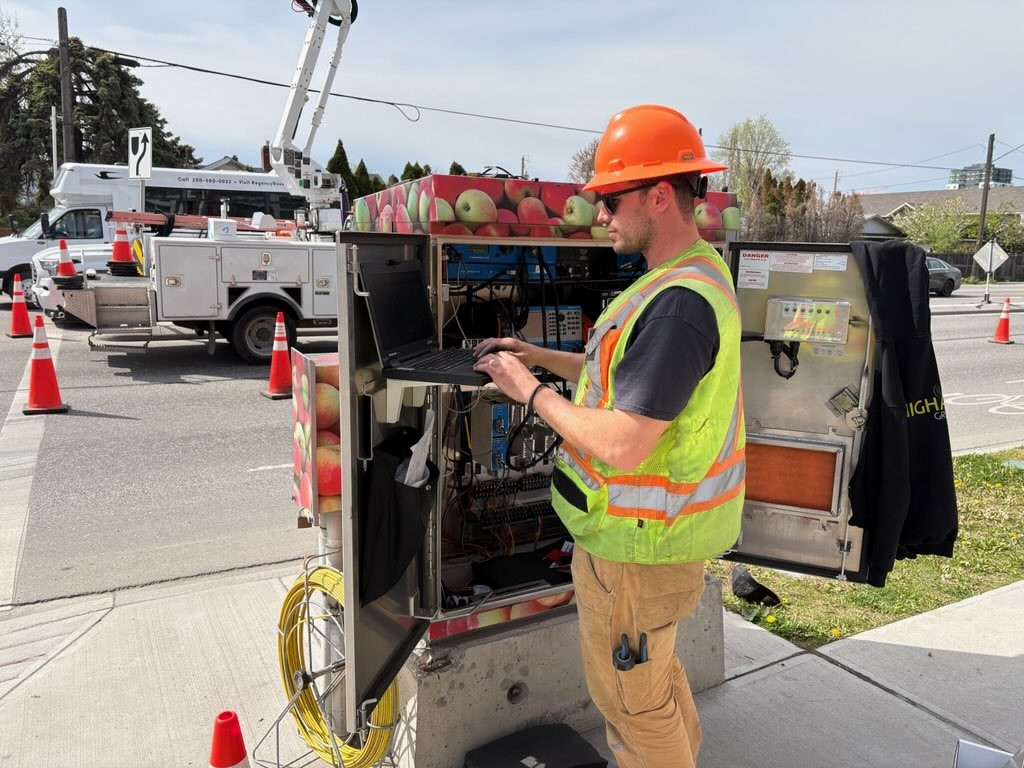
Those parameters are carefully developed using years of traffic monitoring and are designed to prioritize safety, efficiency, and how traffic moves along an entire corridor, not just through a single intersection.
Privacy protection is built into the system. Adaptive traffic signals do not capture enough detail to identify pedestrians, read licence plates, or recognize drivers.
The technology is already in place on several key corridors, including the Springfield Road corridor from Leckie Road to Ethel Street, Enterprise Way from Banks Road to Spall Road, Spall Road from Enterprise Way to Bernard Avenue, and Gordon Drive from Sutherland Avenue to Guisachan Road. Along the Enterprise Way and Spall Road corridors, which were completed last year, the results are already clear.
“Average wait times were reduced by about eight seconds per vehicle per intersection ,” Bos added. “Those time savings really add up when applied corridor‑wide. For example, along Enterprise Way, that translated into a 37 per cent reduction in wait times, saving people more than 20,000 hours of travel time each year.”
The project will install adaptive signal technology at 35 intersections. Once implementation is complete, before‑and‑after data will be analyzed to determine total time savings. In addition, the system will be deliberately taken offline once a year, with intersections reverting to traditional signal timing so engineers can test performance and compare results to ensure the technology is working as intended and delivering real value.
Safeguards are built into the system to ensure reliability. If the adaptive system were ever turned off or experienced an issue, intersections automatically revert to standard fixed signal timing.
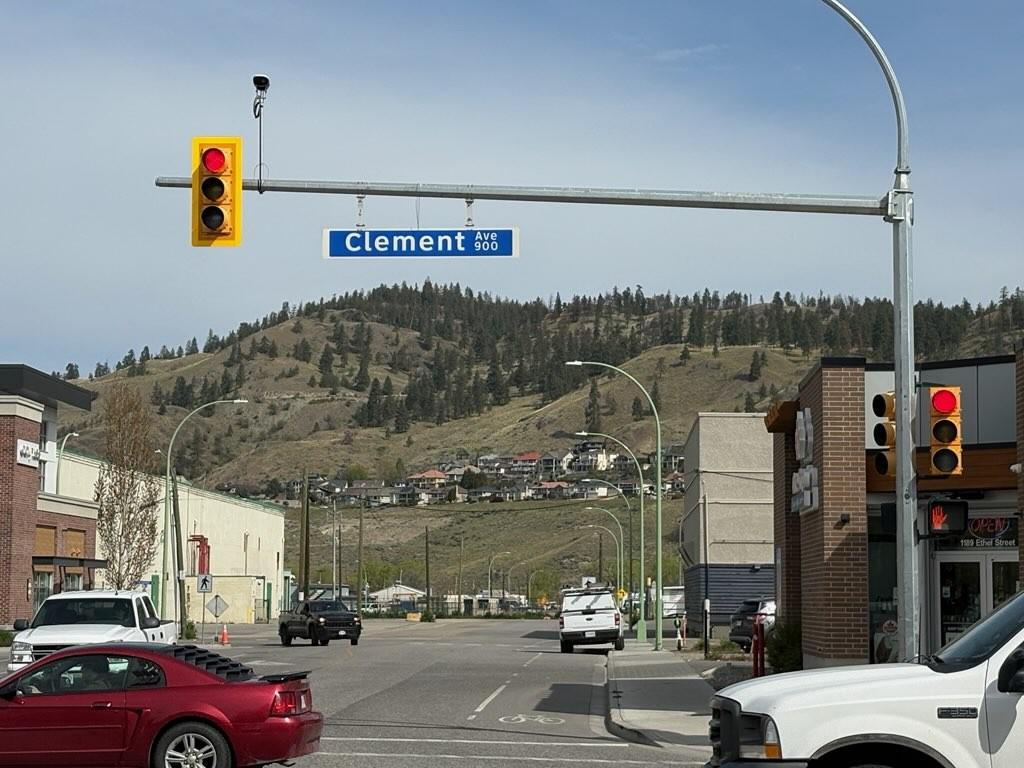
There have also been safety benefits. Red light running along these corridors dropped by 38 per cent following activation of the adaptive signal system, helping reduce risky driving behaviour at busy intersections.
Smoother traffic flow means fewer stops and starts, which also reduces vehicle idling. Along the Springfield Corridor, the shift to adaptive traffic signals is estimated to reduce greenhouse gas emissions by approximately 130 tonnes annually. That is roughly equivalent to the emissions from heating about 40 to 45 homes each year.
The City has worked closely with the Ministry of Transportation on the Adaptive Signal Project. Data collected through the program will be shared with the Ministry to support broader transportation planning and help evaluate whether the technology is suitable for provincially owned infrastructure.
The adaptive traffic signal program is funded in part through the Government of Canada’s Housing Accelerator Fund, with approximately $1.6 million supporting upgrades at 25 intersections. The total cost per intersection is approximately $50,000.
As more intersections come online, drivers can expect fewer unnecessary waits, smoother trips through busy corridors, and a transportation system that responds better to how Kelowna moves today.
From roads and parks to buildings and utilities, Kelowna is building the City of the Future. Explore City-funded projects happening in your community: Kelowna.ca/capitalprojects.