
Not all heroes wear bark, but some do: the value of urban trees
Topics
Mar 11, 2026
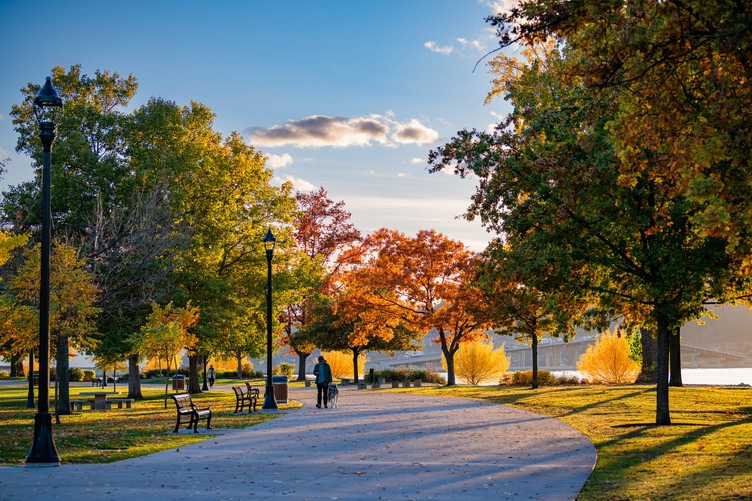
We notice urban trees in the moments that slow us down, the dappled shade on a sidewalk and the welcome cool it brings on a hot summer day. We meet under them. We rest beside them. We mark the passing of time by the colour of their leaves.
Beyond what we see, trees quietly provide enormous value, cleaning our air, protecting us from flooding by soaking up stormwater, supporting wildlife, and in some cases bearing fruit.
A healthy tree canopy is one of the most valuable pieces of infrastructure we have and benefits everyone who lives in or visits our city.
So, when a tree is removed, it can feel like a loss.
“Tree removal can feel like a contradiction when the goal is to expand the tree canopy,” said Todd Cashin, Urban Forestry Supervisor. “But caring for the urban forest isn’t just about having trees, it’s about having healthy trees, chosen for the right environment and placed with care so they can grow well, serve the community, and support safety, including clear sightlines for first responders and reduced fire risk.”
This work is guided by the City’s Sustainable Urban Forest Strategy, a 10-year plan that sets the long-term vision for how Kelowna grows, protects, and cares for its urban tree canopy. The strategy focuses on planting the right tree in the right place, improving growing conditions so trees can reach maturity, increasing the tree canopy where people live and work, and balancing the benefits of trees with safety, climate resilience, and changing urban needs.
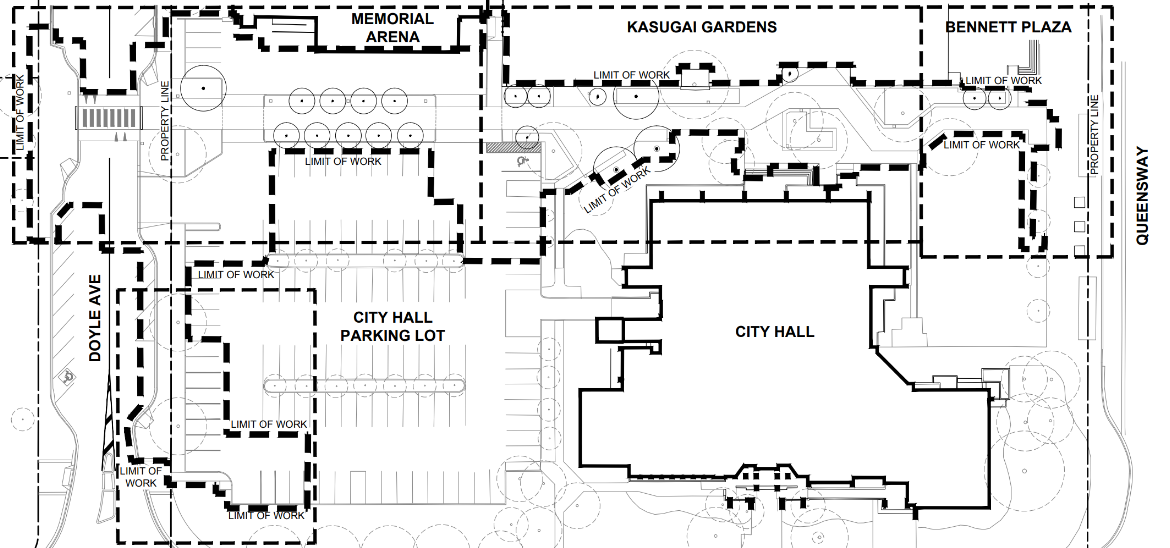
“In some cases, caring for an urban forest means making the difficult decision to remove trees that aren’t thriving where they were planted,” said Stefan Johansson, Senior Project Landscape Architect. “Along the Art Walk beside Kasugai Gardens, several trees planted in the 1980s and 1990s were removed as part of the Art Walk expansion project. When they were planted landscape science wasn’t where it is today, and the space selected couldn’t support long-term growth.”
One of the trees removed was a large Japanese pagoda. Although it still appeared healthy above ground, it didn’t have sufficient root space to support its long‑term health. Any future construction or maintenance work in the area would have damaged those roots, increasing the risk that the tree could fail and cause harm or damage.
“Essentially, the removed tree was like a potted plant at a nursery that had become root‑bound,” adds Johansson “When a tree doesn’t have enough room to grow below ground, it loses the ability to take up the nutrients it needs to stay healthy, and that’s what happened in this case.”
The Art Walk expansion project is currently underway and nearly double the number of trees removed will be planted in their place, with new trees carefully chosen to suit the environment and meet the needs of the community.
Trees in public spaces need to be suited to our climate and resilient enough to handle the realities of urban life. For example, trees near parking lots can be repeated jarred by vehicles backing up against parking blocks and this can place ongoing stress on trees over time.
There is also a relationship between trees and public safety. For example, certain types of trees like upright cedars can increase fire risk and reduce sightlines, creating environments that are more vulnerable to crime. So sometimes their removal is required.
Similarly, the Mill Creek Restoration Project through the Parkinson Recreation Park will see a limited number of trees removed, primarily non-native and invasive species. To support long‑term ecological health, the restoration plan includes planting hundreds of new native trees and thousands of shrubs, along with naturalized seeding. Over time, this will create a more diverse, layered canopy that stabilizes banks, improves water quality, and provides richer habitat for birds, fish, and other wildlife. Longterm canopy cover is expected to exceed what exists today.
Kelowna’s urban forest doesn’t stop at park boundaries or street edges. A large portion of trees that cool neighbourhoods, manage stormwater, and improve air quality grow on private property, where they provide benefits shared by the entire community.
The City works to maintain the urban tree canopy through the zoning and development process, with developers being encouraged to replant trees removed due to construction at a 2:1 ratio.
Trees on private land benefit the whole community, which is why the City offers Neighbourwoods, a residential planting program that helps residents grow and preserve that shared canopy by offering discounted trees for planting at home. Since 2010, residents have planted more than 8,300 NeighbourWoods trees across the city. More information is available at kelowa.ca/neighbourwoods.
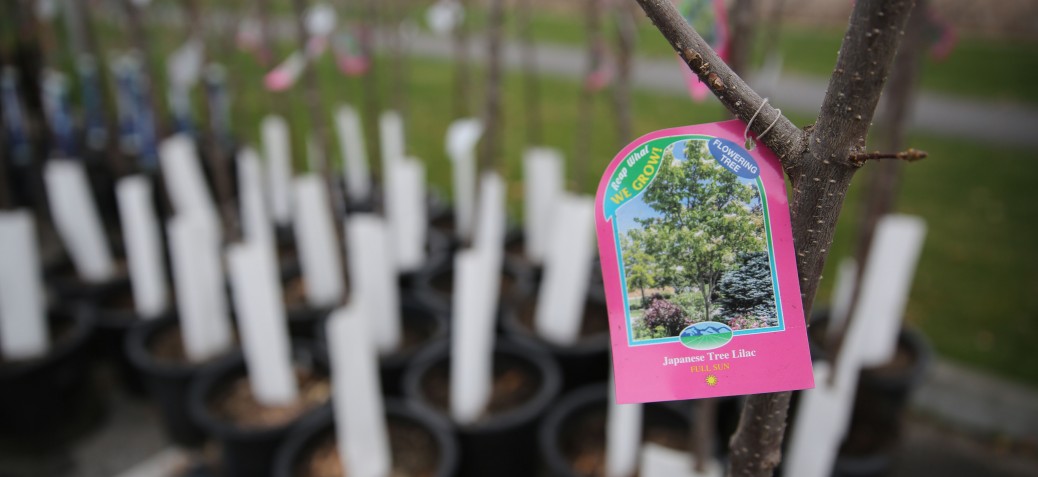
In short, decisions to remove trees are not made lightly. They are shaped by a deep understanding that urban trees are living infrastructure. When they are planted thoughtfully, given room to grow, and cared for over time, they return their value many times over.
Trees are both beautiful and functional, and when we choose the right tree for the right place, they help build a city that is healthier, safer, and more resilient for everyone who lives here.