

NeighbourWoods
NeighbourWoods
Purchase a highly discounted tree for your yard to help grow our urban tree canopy.
NeighbourWoods is a residential planting initiative developed to encourage citizens to help grow and preserve Kelowna’s urban forest. Kelowna residents can purchase up to 2 trees per household for $50 (+ GST) each.
Tree planting tips
Learn how to transport, plant, and care for your tree, including an instructional video.
View tree options
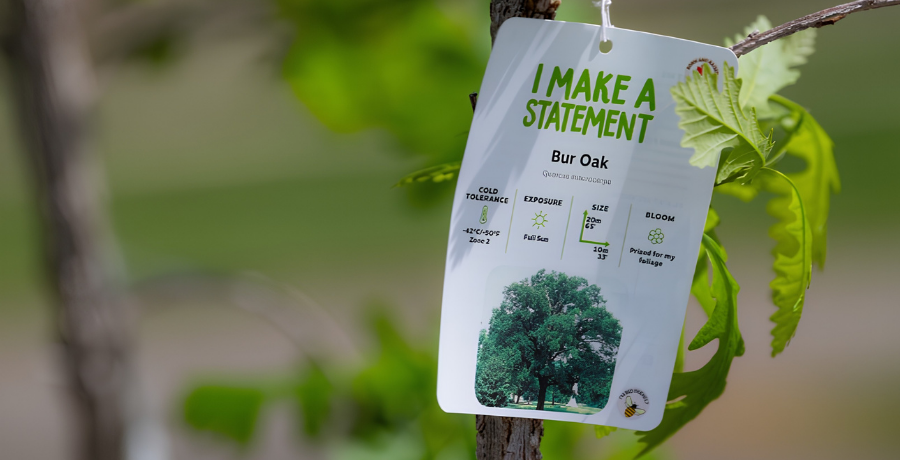
While spring trees are now sold out, check out an example of what kinds of trees we have to offer. Some species may be available again in future seasons.
- Size: 15–20 m tall, 12–15 m wide
- Water needs: Regular watering during establishment; drought tolerant once established
- Growing conditions: Full sun; well-drained to moderately heavy soils; tolerant of alkaline soils
- Planting considerations: Plant away from high-traffic turf areas to protect roots
- Key feature: Massive corky branches, exceptional longevity, durable shade, and valuable wildlife habitat
- Size: 12–15 m tall, 5–6 m wide
- Water needs: Regular watering to establish; moderate water requirements thereafter
- Growing conditions: Full sun; well-drained, alkaline soils; tolerant of urban conditions
- Planting considerations: Allow sufficient space for deep root development
- Key feature: Narrow, columnar form and fragrant early-summer flowers that attract pollinators
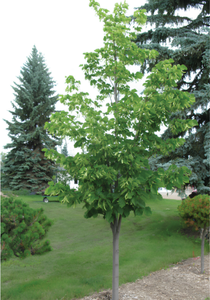
- Size: 15–20 m tall, 8–12 m wide
- Water needs: Regular watering to establish; low to moderate once established
- Growing conditions: Full sun; well-drained soils; tolerates drought, heat, salt, and urban conditions
- Planting considerations: Performs best in neutral to slightly alkaline soils
- Key feature: Brilliant golden fall colour and distinctive fan-shaped leaves
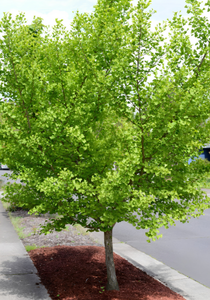
- Size: 12–18 m tall, 10–12 m wide
- Water needs: Regular watering for the first 2–3 years; drought tolerant once established
- Growing conditions: Full sun; well-drained neutral to alkaline soils; tolerates wind, salt, and pollution
- Planting considerations: Suitable for challenging urban environments
- Key feature: Distinctive corky bark and bird-friendly berries
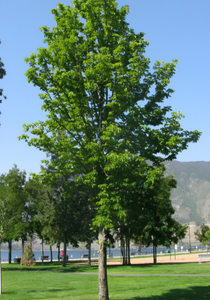
- Size: 6–7 m tall, 5–6 m wide
- Water needs: Moderate watering during establishment; fairly drought tolerant once established
- Growing conditions: Full sun; well-drained, alkaline soils
- Planting considerations: Tolerates wind and cold; well-suited to urban lots
- Key feature: Bright red winged seeds that provide vibrant summer colour
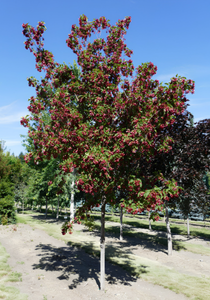
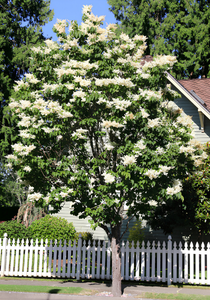
- Size: 6–8 m tall, 4–6 m wide
- Water needs: Moderate watering during establishment; drought tolerant once established
- Growing conditions: Full sun; well-drained, slightly alkaline soils
- Planting considerations: Avoid heavy or poorly drained soils
- Key feature: Large, fragrant white flower clusters that attract pollinators
PLEASE NOTE: only 1 Ivory Silk Tree Lilac Tree is available per address.
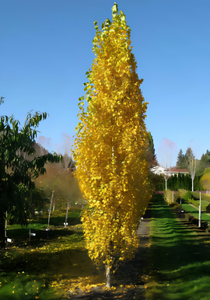
- Size: 10–12 m tall, 3–4 m wide
- Water needs: Requires consistent moisture; deep watering recommended during hot, dry weather
- Growing conditions: Full sun; well-drained soils
- Planting considerations: Shallow-rooted; ideal near irrigation or rain garden areas
- Key feature: Narrow form and striking white bark for year-round interest
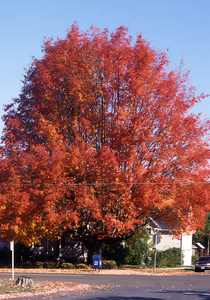
- Size: 15–20 m tall, 12–15 m wide
- Water needs: Regular watering, especially during the first 3–5 years
- Growing conditions: Full sun to light shade; moist, well-drained soils
- Planting considerations: Not highly drought or alkaline tolerant; mulch helps retain moisture
- Key feature: Spectacular orange and red fall colour that brightens the landscape each autumn
Order & pick-up your tree
Spring NeighbourWoods is now complete. Check back soon for fall dates and information!
Trees are $50 + GST per tree and Kelowna residents can purchase up to two trees per household.
If you don’t already have a recreation account, you will need to set one up by calling 250-469-8800. You can also pay by credit card over the phone by calling 250-469-8800, or visit the staff at Parkinson Recreation Centre to pay by cash, debit or credit card.
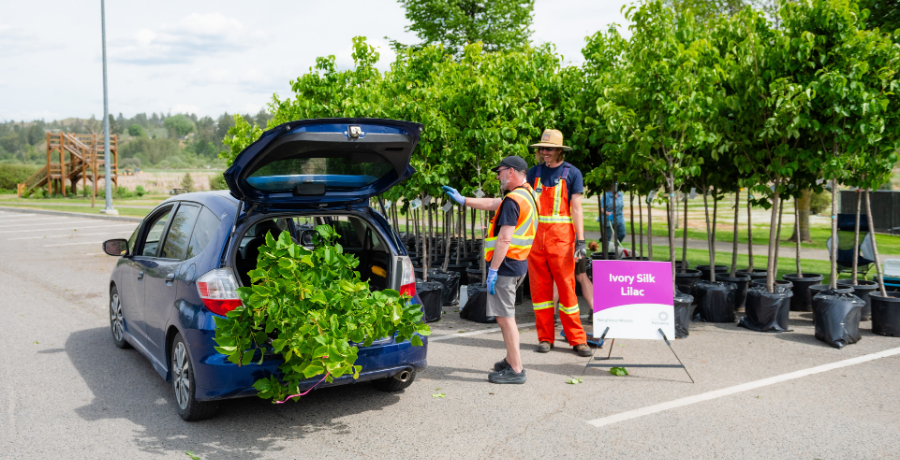
Please bring your receipt (if applicable), proof of residency and a vehicle that’s appropriate for transporting your tree(s). Tree size will vary depending on species but expect to receive a tree that is approximately 6 to 12-feet tall.
Trees not picked up will be considered donated to the City of Kelowna for public planting.
The tree I want is sold out. Is there a waitlist?
If a tree variety has sold out, you can still waitlist for a tree online, by calling 250-469-8800, or in-person at Parkinson Recreation Centre. Payment is not required for joining the waitlist.
Can I cancel my order?
You can only cancel your order and receive a refund if someone is on the waitlist for your tree. A cancellation fee will apply in accordance with the Active Living & Culture Fees and Charges Bylaw.
If you can’t successfully cancel your order and you no longer want the tree you purchased, simply do not pick it up and it will be planted locally by City staff.
Can I get a refund on my order?
There are no refunds for NeighbourWoods trees, even if your planted tree doesn’t survive. Help your tree thrive by reading the one-page tree planting guide (available during pickup) and accessing the resources in our Tree planting tips section below.
If someone is on the waitlist for a tree before pickup day however, you can cancel your order and receive a refund.
Tree planting tips
View the instructional video below for tips on planting your tree.
Exercise care in the storage and transportation of your tree to avoid stress or damage. Lift the tree by the root ball instead of the trunk. Don't allow roots to dry out.
The ideal time to plant trees is during the dormant season (fall or early spring). Please try to plant the tree where it will shade your home.
Before digging, locate all underground utility wires. Call (800) 474-6886.
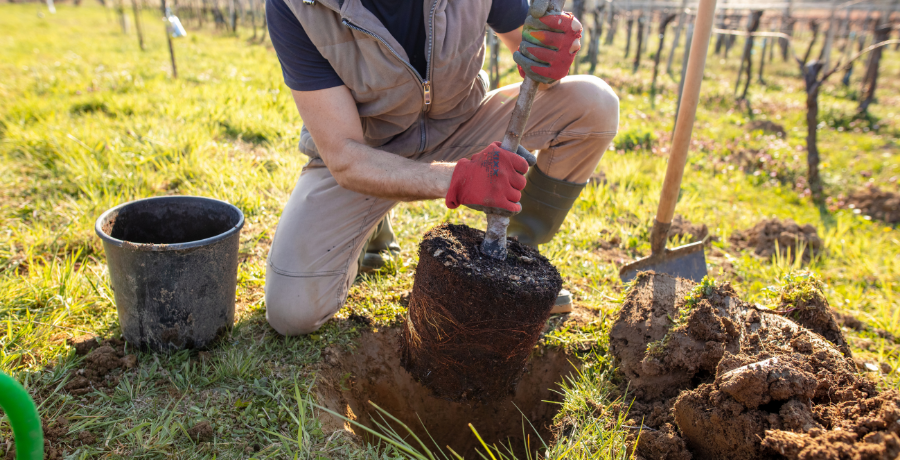
- Water tree in pot. Remove the pot. Score and loosen the roots. Place the tree in the hole, at the proper height. Don't plant the tree lower than the trunk flare; it's better to plant a few inches higher than the trunk flare to allow for some settling.
- Dig a shallow, broad planting hole, with the hole widest at the top and sloping sides; at least 450-600mm (18-24 in) wider than the root ball diameter (or three to fives times wider than root ball diameter in compacted soils). Dig only to the same depth as the root ball. Identify the trunk flare (point where the roots spread at the base of the tree) to determine the proper depth of the hole.
- When backfilling, use the same soil that came out of the hole; if a different type of soil is used to fill the hole, this may result in problems with drainage around the root ball. If the native soil is extremely poor, topsoil or soil amendments may be necessary, but mix at least 50 per cent of the native soil in with any additional amendments; topsoil should match the same texture as the native soil and the hole should be much wider to allow for growth.
- Firm the soil but don't pack. Water thoroughly. Remaining soil may be mounded into a berm to collect water in the root zone (leave a gap in the berm if the soil is clay). Fertilizer application at the time of planting isn't recommended.
- Stake the tree only if necessary, as staked trees tend to develop weaker trunks and smaller root systems. Remove support staking after the first year of growth to avoid girdling the stem.
- Mulch the base of the tree with 50- 100mm (2-4 in) of organic matter (e.g. straw, bark, peat moss, wood chips, leaf litter) to hold in moisture and protect against extreme soil temperatures. Keep mulch at least 25-50mm (1-2 in) away from the trunk to prevent decay. Don't apply too much mulch.
Tree spacing will vary depending upon the geometry of the site and landscaping objectives. Consider the volume of soil available to each tree. If the soil volume is too low, then trees will be competing with each other for available water and nutrients.
Keep in mind the mature size of the tree so that tree canopies won't become too closely packed as they grow.
- Prune sparingly after planting; corrective pruning should not be done until the tree has experienced a full year of new growth.
- The three main reasons trees die after transplanting are underwatering, overwatering and when they're planted too deeply.
- Water the tree for the first three years of establishment, about once a week during the growing season (more often during hot weather). Keep the soil moist but not soaked.
Urban Trees
Learn more about tree selection and the benefits of urban trees.
Stay in the Know
Get Parks news and updates delivered straight to your inbox.